Project Overview
Feasibility and Planning
The team began the project with a detailed feasibility analysis that explored two possible paths forward. First, the team evaluated remodeling the existing Toyota Financial Services building. Alternatively, they studied the option of constructing a new middle school on a separate site. In each case, the team carefully reviewed cost, schedule, site capacity, educational function, and long-term value.
Ultimately, the adaptive reuse strategy was selected. Because the existing building offered strong structural integrity, a strategic location, and room for future expansion, it presented a clear advantage. In addition, this approach allowed the school to minimize overall project costs while still meeting long-term needs.
The Project Team

Jesse Lizer
Chief Design Officer, Managing Principal

Marcelo Aruani
Associate Senior Designer

Heather Lynxwiler
Senior Architect, Studio Lead

Derek Powers
Project Architect
Gabe Julich
Senior BIM Technician
Becca Haugen
Interior Design Associate
-
11-Acre
Site Area
-
109,000 SF
Renovation
-
30,000 SF
Expansion
Transforming an Existing Facility for Learning
Campus and Program Expansion
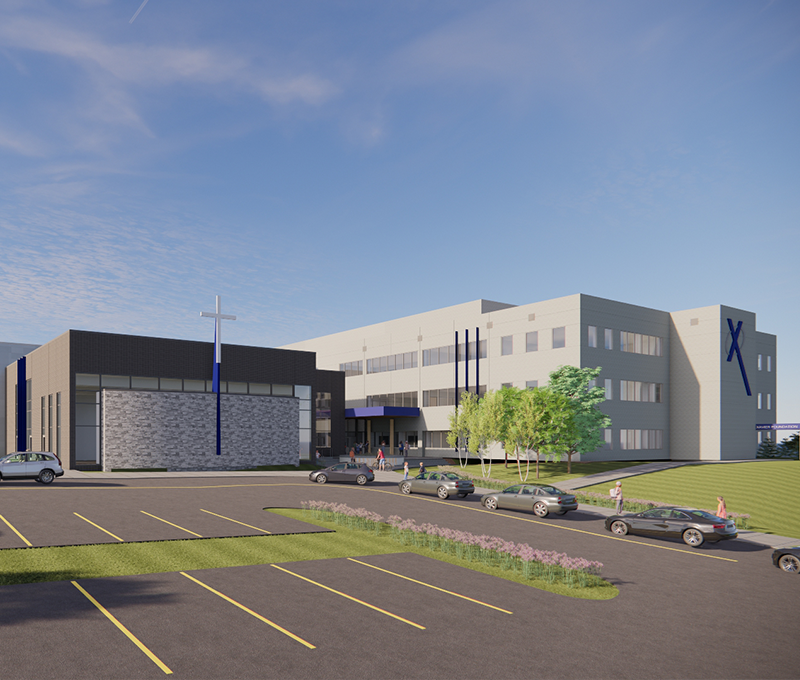
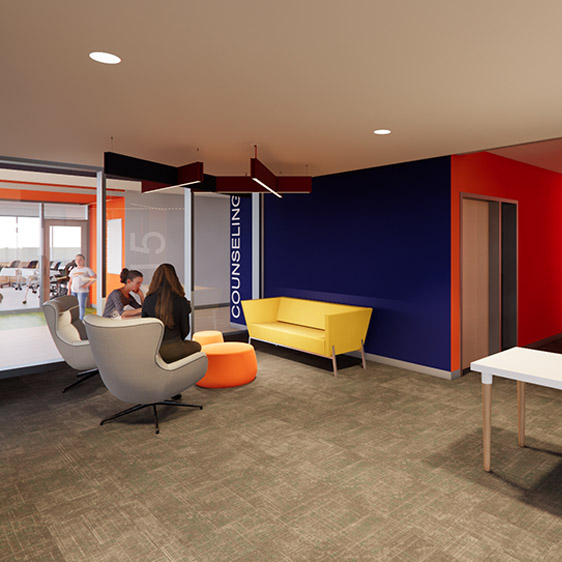
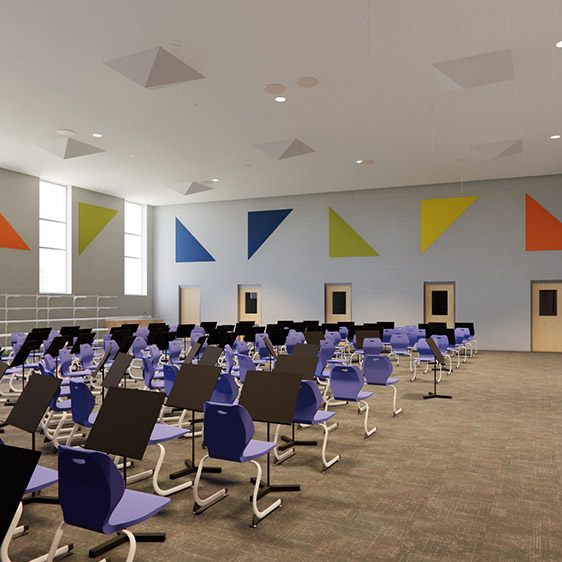
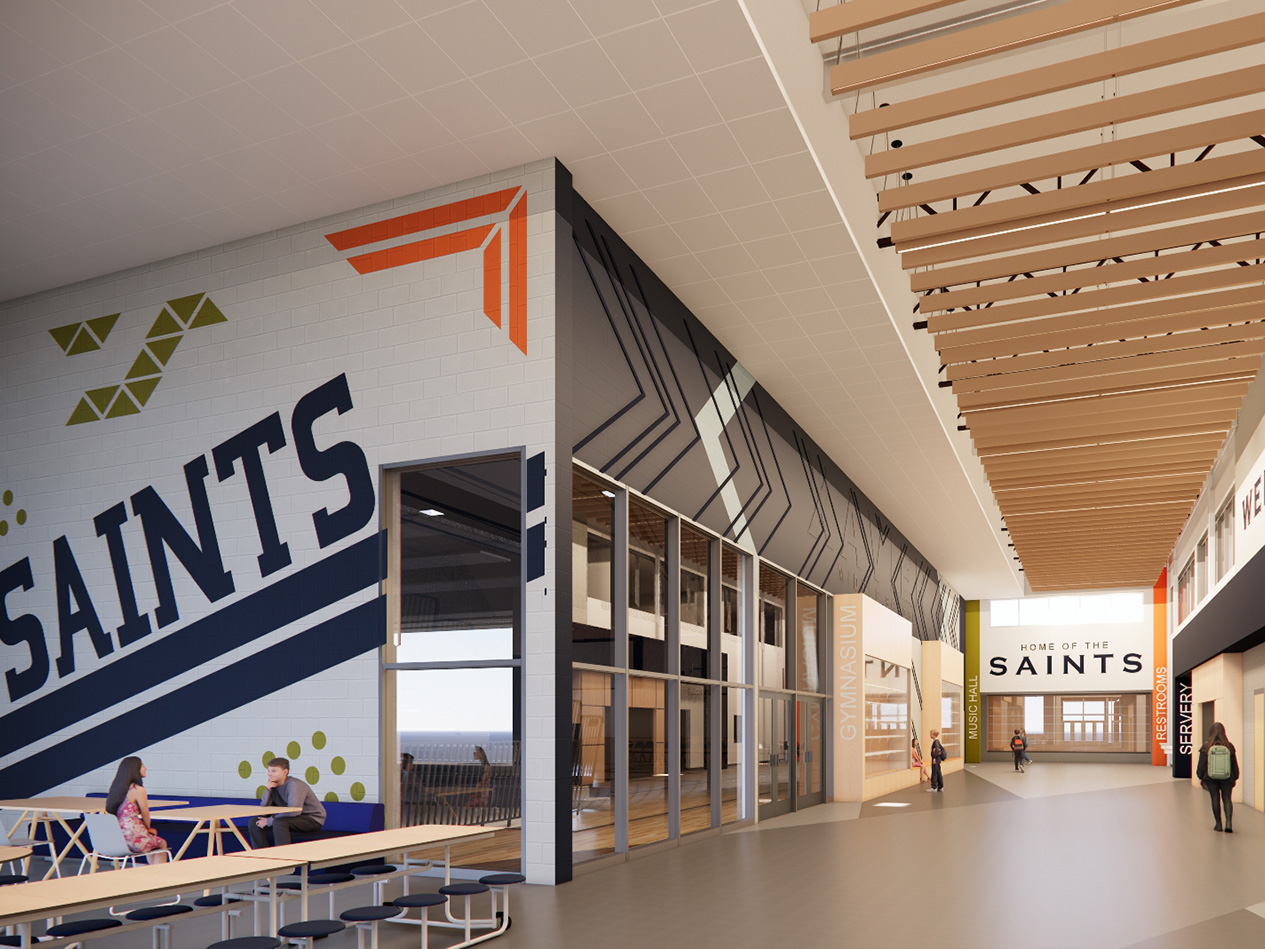
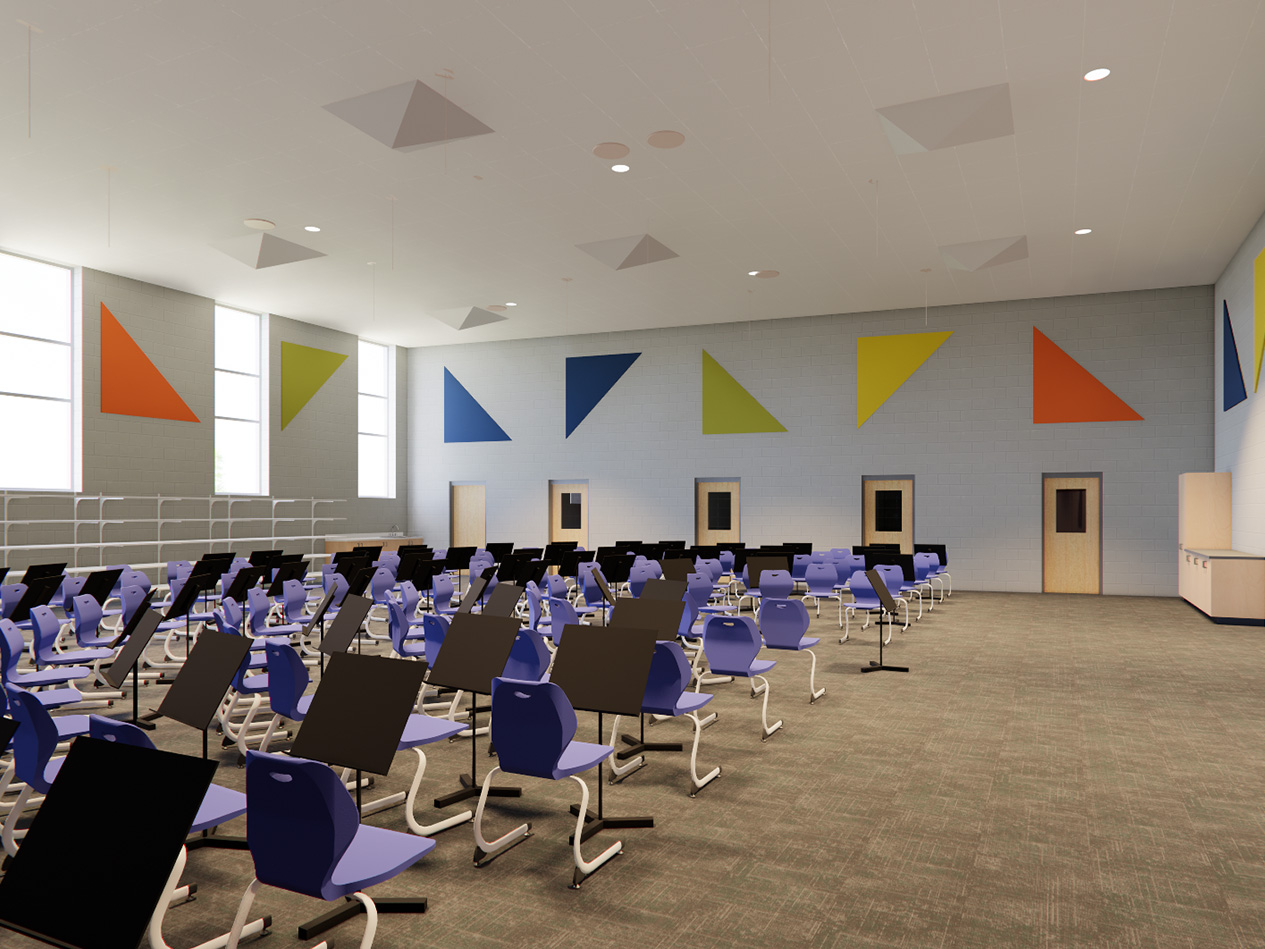
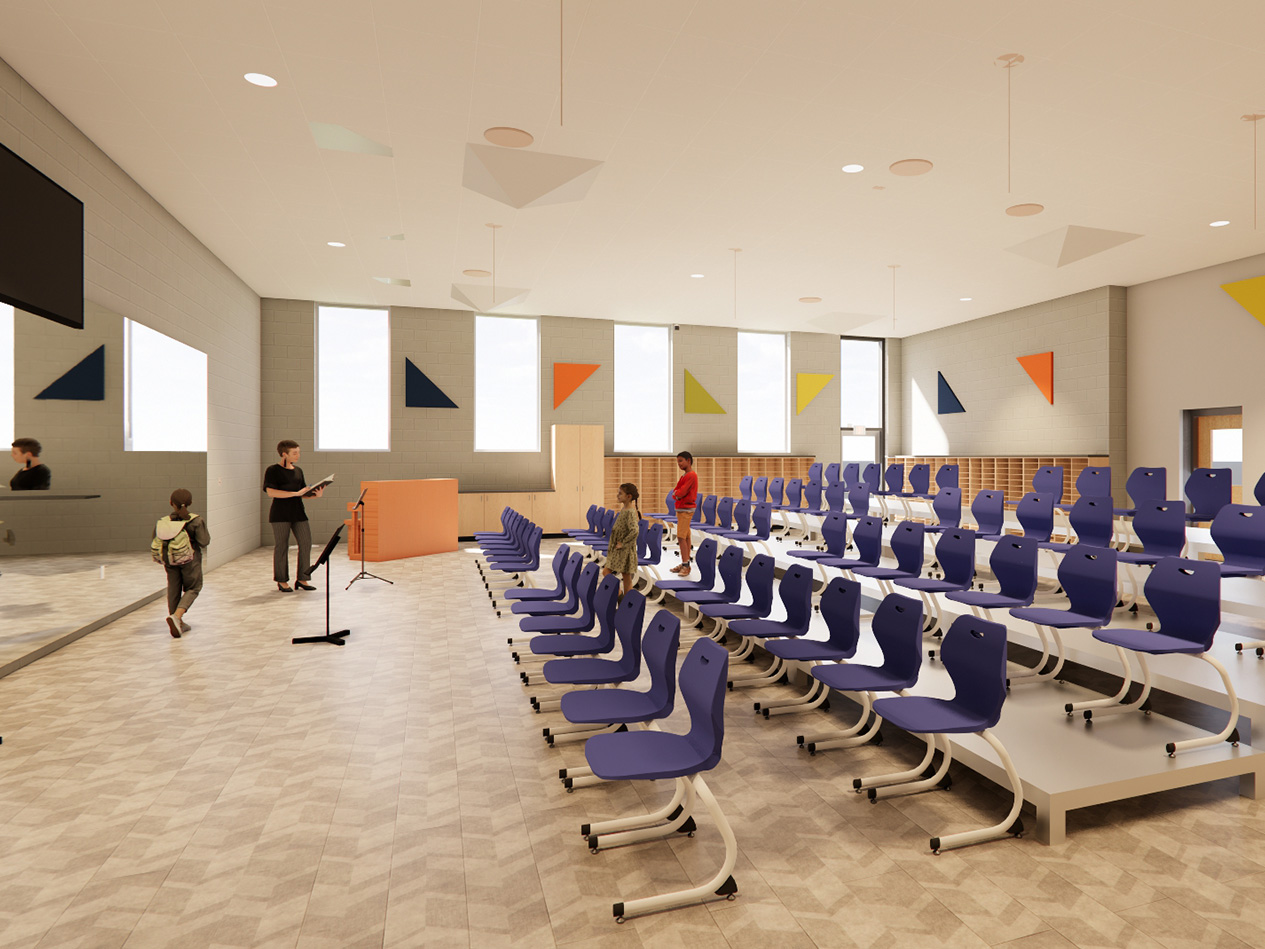
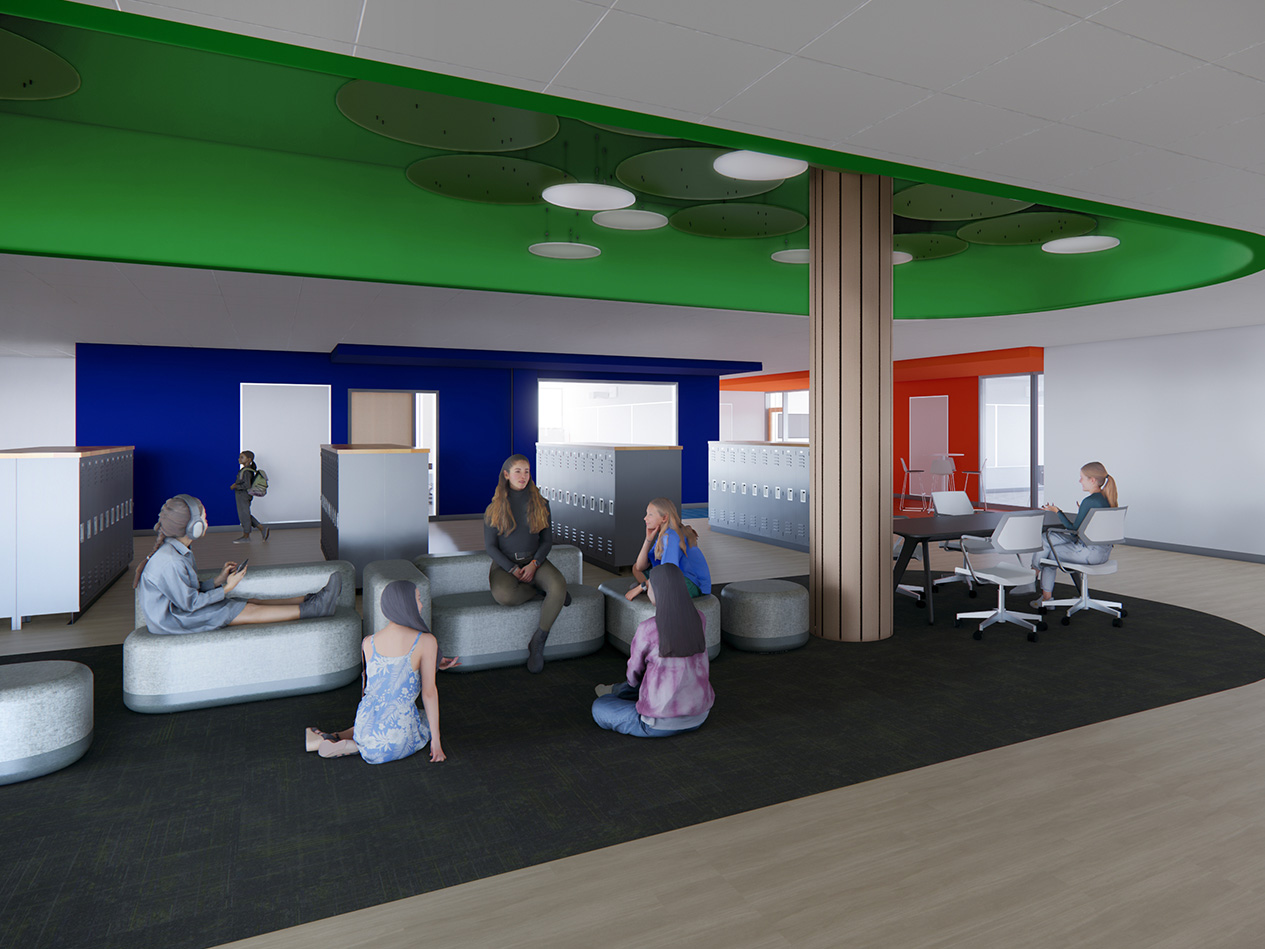
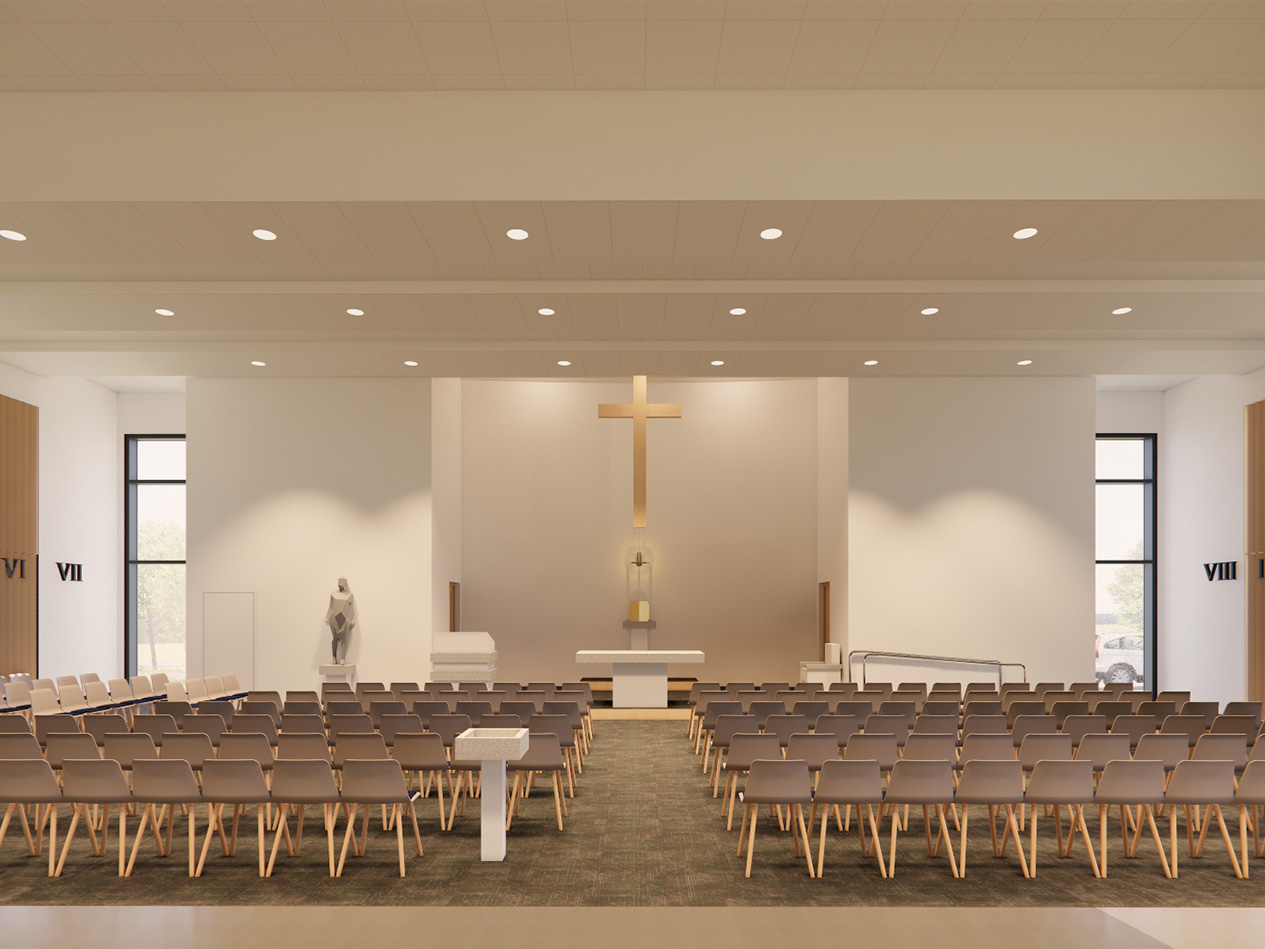
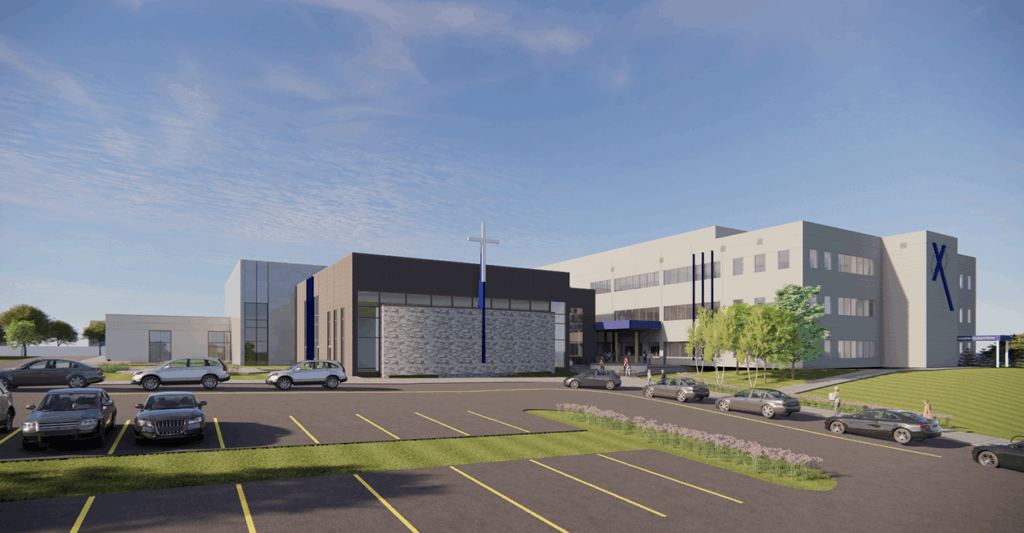
Located on an 11-acre site, the existing 109,000-square-foot facility provides ample space for academic programs, student support areas, and community use. Building on this foundation, the project includes a planned 30,000-square-foot expansion. Specifically, the addition will introduce a new gymnasium, cafeteria, lobby, flexible worship space, and student commons.
Together, these spaces are designed to strengthen student life and create a cohesive middle school experience. As a result, the campus supports both academic learning and spiritual development in a unified setting.
Design Approach and Community Connection
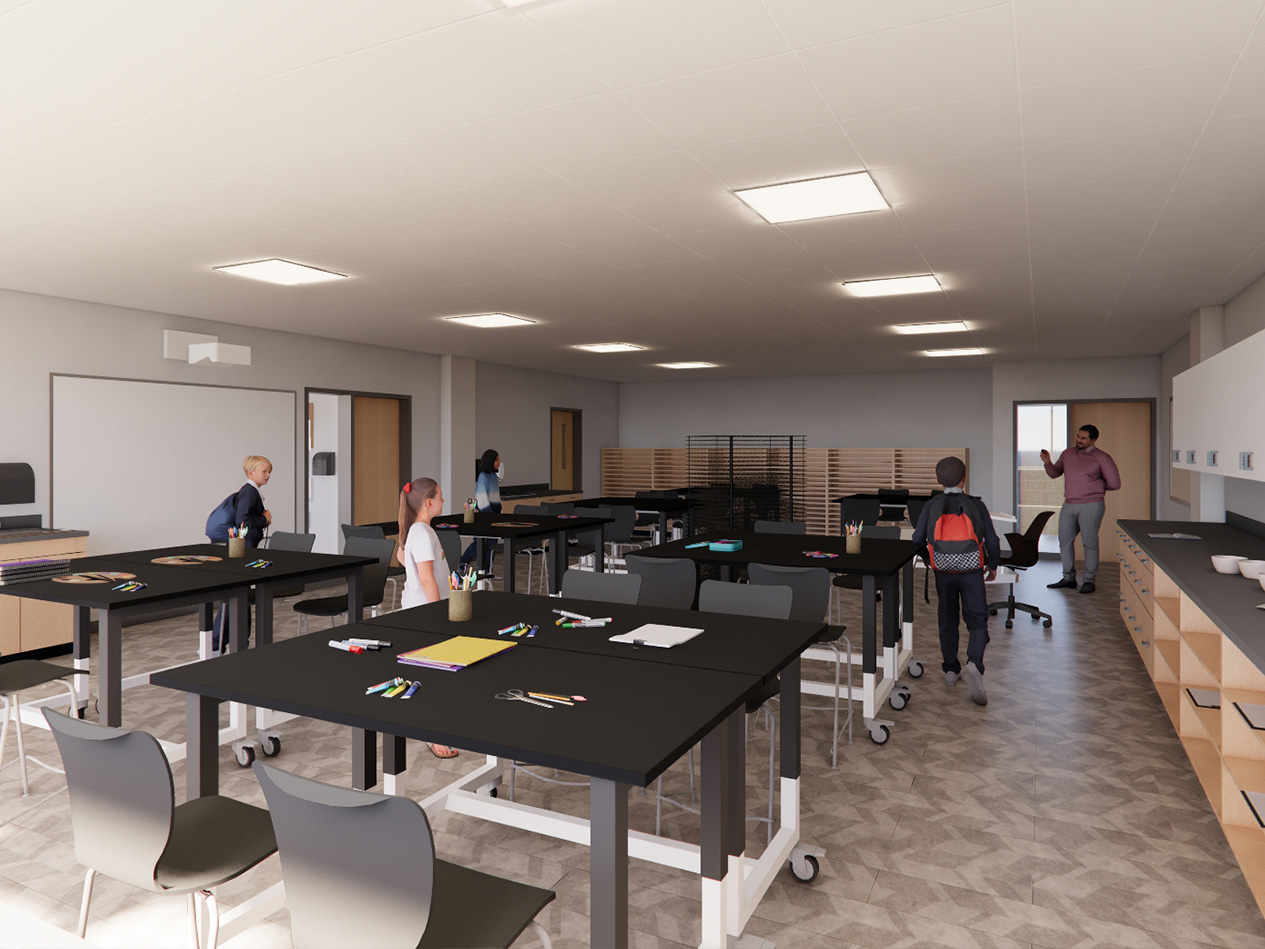
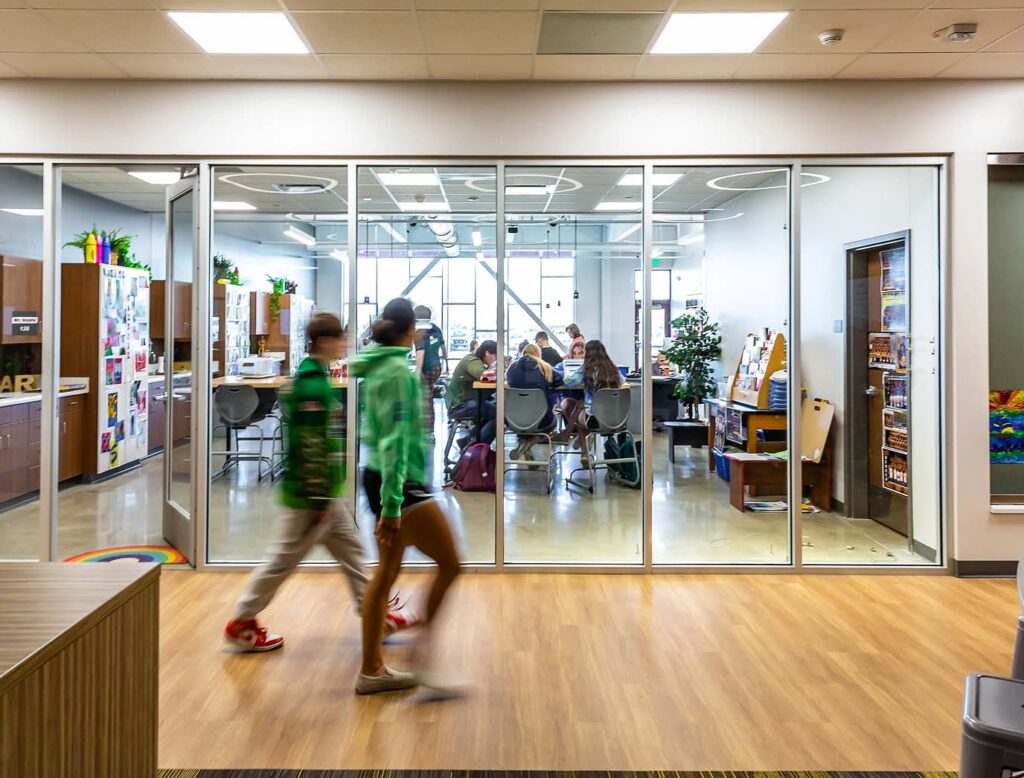
Throughout the design, flexibility, collaboration, and stewardship guided decision making. Renovated learning environments include modern classrooms, collaborative spaces, and upgraded building systems. At the same time, Catholic values are thoughtfully integrated across the campus.
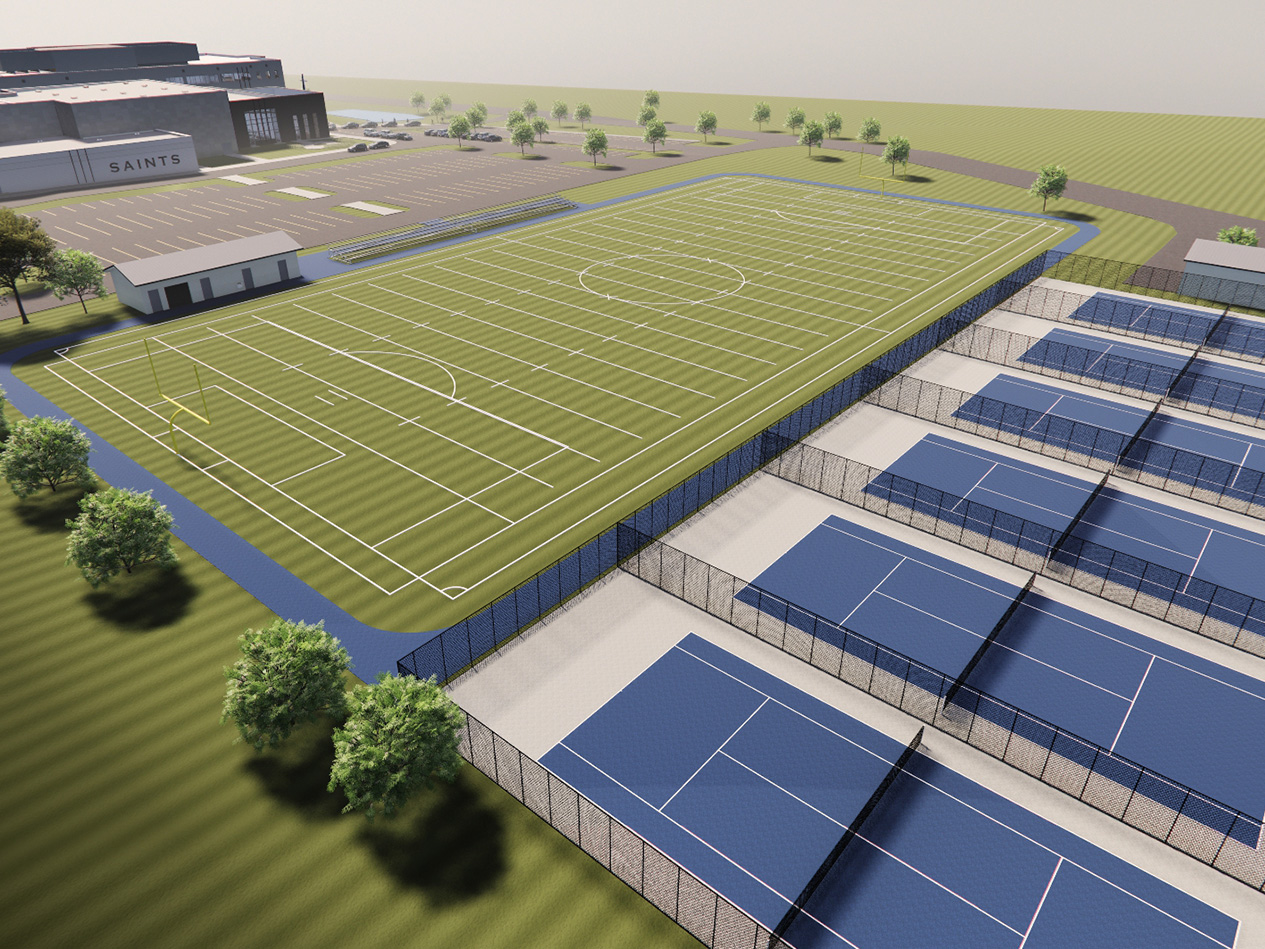
Beyond the building, the site supports outdoor learning, athletics, and community events. Because of this, the school reinforces its role as a community anchor and gathering place.
Sustainability and Stewardship
Sustainability also plays an important role in the project. Energy-efficient systems and environmentally responsible materials are incorporated into both the renovation and the expansion. As a result, the school benefits from long-term operational efficiency while aligning with Xavier’s commitment to responsible resource use.
Funding and Phased Implementation
To support the project responsibly, funding is structured through a phased approach. Initially, budgeted savings, donor support, and short-term financing allow the work to move forward. Later, a broader capital campaign will follow. This approach helps maintain transparency while encouraging ongoing community involvement.
Long-Term Impact
When complete, Xavier Middle School at River Place will provide a unified, future-ready campus. Most importantly, the project supports students during a critical period of academic growth, personal development, and faith formation.
- Education
- In Progress
Xavier Catholic Middle School
Cedar Rapids
- Education
- Completed
- Education
- Completed
Riceville Little Cats Daycare Addition
Riceville
- Education
- In Progress
- Education
- Completed
- Education
- Completed
- Education
- Completed